

Course category
Ethical
17 courses
Topics

Common Threads Across All Religions
So many religions, so many paths to reach the same goal. I have practiced Hinduism, Islam, Christianity, and in Hinduism again, the ways of the different sects. I have found that it is the same God towards whom all are directing their steps, though along different paths. -Swami Ramakrishna, Hindu Monk

Concept of One God
Religion is often associated with the concept of God, but there are many different conceptions of God. Children are naturally curious about different religions and can easily incorporate the concepts of different religions into their lives. As adults, we should also be open to learning about different religions and respecting the beliefs of others. All religions are essentially searching for the same ultimate truth, even if they use different names and metaphors to describe it. We should embrace diversity and pluralism in religion, and see different religions as different expressions of the same human yearning for meaning.

Forgiveness and Repentance
The paradoxic about forgiveness is that it is less about the one being forgiven and more about liberating the self. The great Indian leader Mahatma Gandhi had said, “The weak can never forgive. Forgiveness is the attribute of the strong.” Forgiveness is one of the basic preconditions for peaceful living.
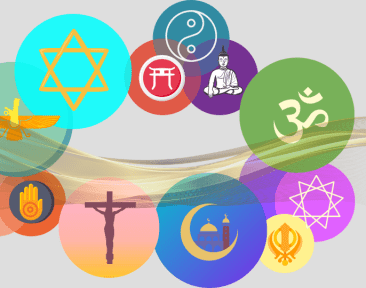
Golden Rule
I was taught the Golden Rule before I knew it by that name. Whenever I used to do mischievous things to my older sister as a young boy, my mother would pull me aside and ask me, “Would you like it if she did those things to you? No? Then don’t do them to her.” I found that logic to be very persuasive, even as a child, and in retrospect it’s very impressive how effective my mother was at modifying my behavior with such a simple concept. I was also taught to extend that principle to others, as my mother explained that God appears in different masks, even as beggars and other destitute people, to test you to see whether you were kind to every person you met or not, whether you treated them as you wish to be treated.

Key takeaways from the fascinating journey you have been on
Since you have been engaging with our newsletters for quite some time, we have hopefully convinced you that, despite the rich diversity in religious traditions, these recurring themes indicate a shared human longing for meaning, purpose, community, and a connection with something beyond ourselves. How do we translate this awareness to enrich our day to day lives?

Moderation
Be neither too extravagant, nor too ascetic. Eat enough, but not too much. Experience emotions, but do not enable them to swing too high or too low. This principle of moderation as part of religious life appears in many of the most important scriptures across religions and wisdom systems, variously known as The Middle Way, The Golden Mean, and other such phrases.

Nonviolence and Peace
In February 2022, Russia launched an offensive on Ukraine, resulting in a devastated country. This ongoing conflict is being likened to the atrocities committed during World War II by the Nazis.Throughout history, humanity has witnessed various forms of war and violence. These include armed conflicts, terrorism, genocide, crimes against minority groups, gender-based violence, and long-standing struggles against discrimination. However, the key to ending such wars lies in pursuing peace through agreements, resolutions, international organizations, and treaties.
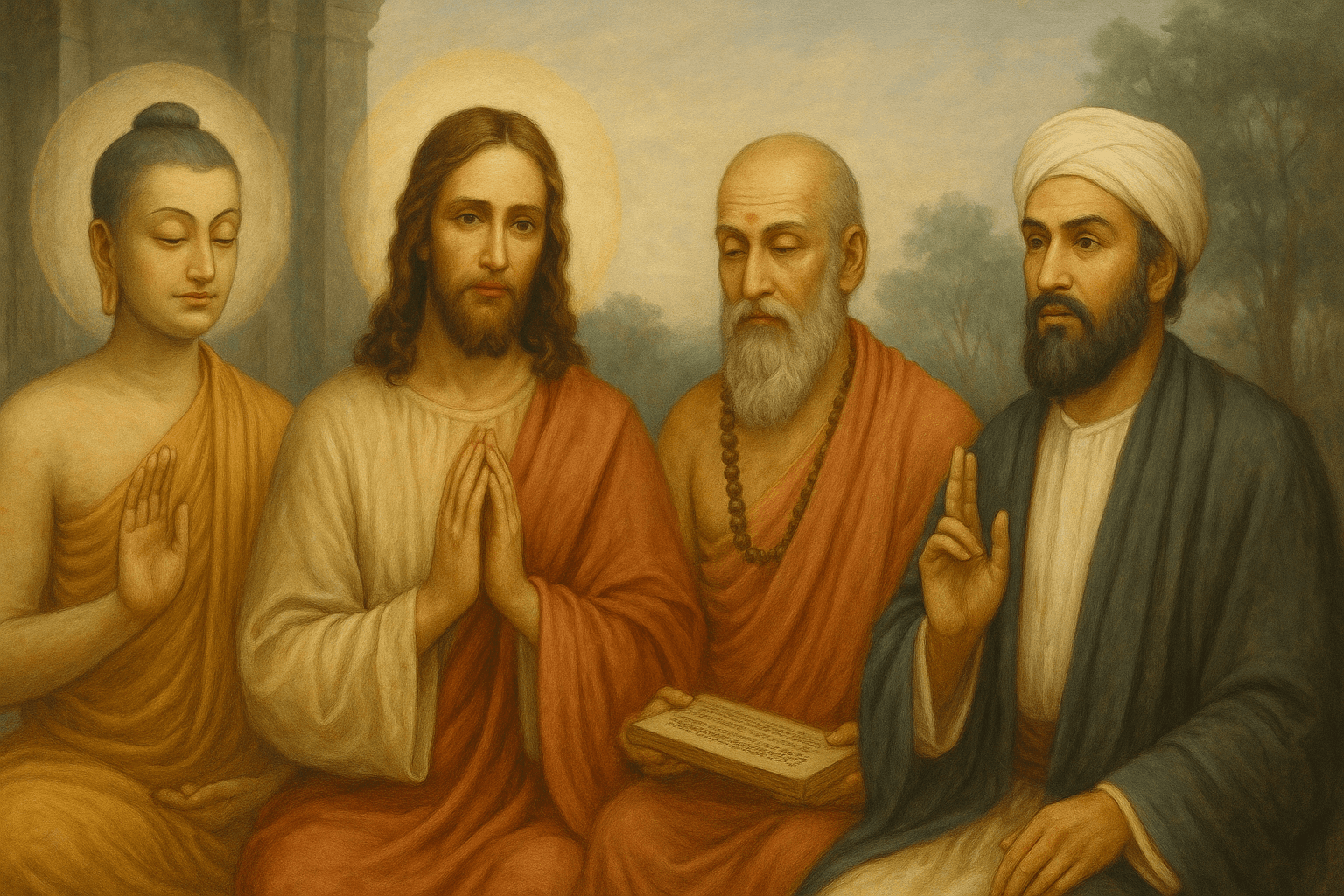
One Divine Source, Many Messengers: The Universal Truth
“Most dharmic traditions have a founding guru or prophet who acts as the first spiritual guide of the faith. For instance, in Islam, Allah is said to have sent forth prophets to all corners of the world at different periods in history. The Quran mentions twenty-five prophets by name, but the actual number who received divine revelations is believed to be much higher.

Overcoming your Ego
One common goal of religions is to overcome the ego and awaken to reality. Ordinary egocentric reality is considered to be a trancelike succession of automatic impulses and attachments and thus the concept of overcoming the ego is a common theme in many religions and spiritual traditions. While the specific teachings and practices may vary, the general message revolves around recognizing and transcending the ego or the self-centeredness of the individual in order to attain spiritual growth, enlightenment, or a closer connection with the divine. This also allows for the cultivation of qualities such as mindfulness, humility, and selflessness, all of which contribute to improving society and human flourishing.

Pluralism
Imagine if everyone were just like you. Life would be so boring! Just as there are countless different flowers on planet earth, there are different people. Different flowers have different colors and aromas, just as different people have different biometrics. Pluralism is not about sameness and equivalence; it is about equal respect and dignity among diversity.
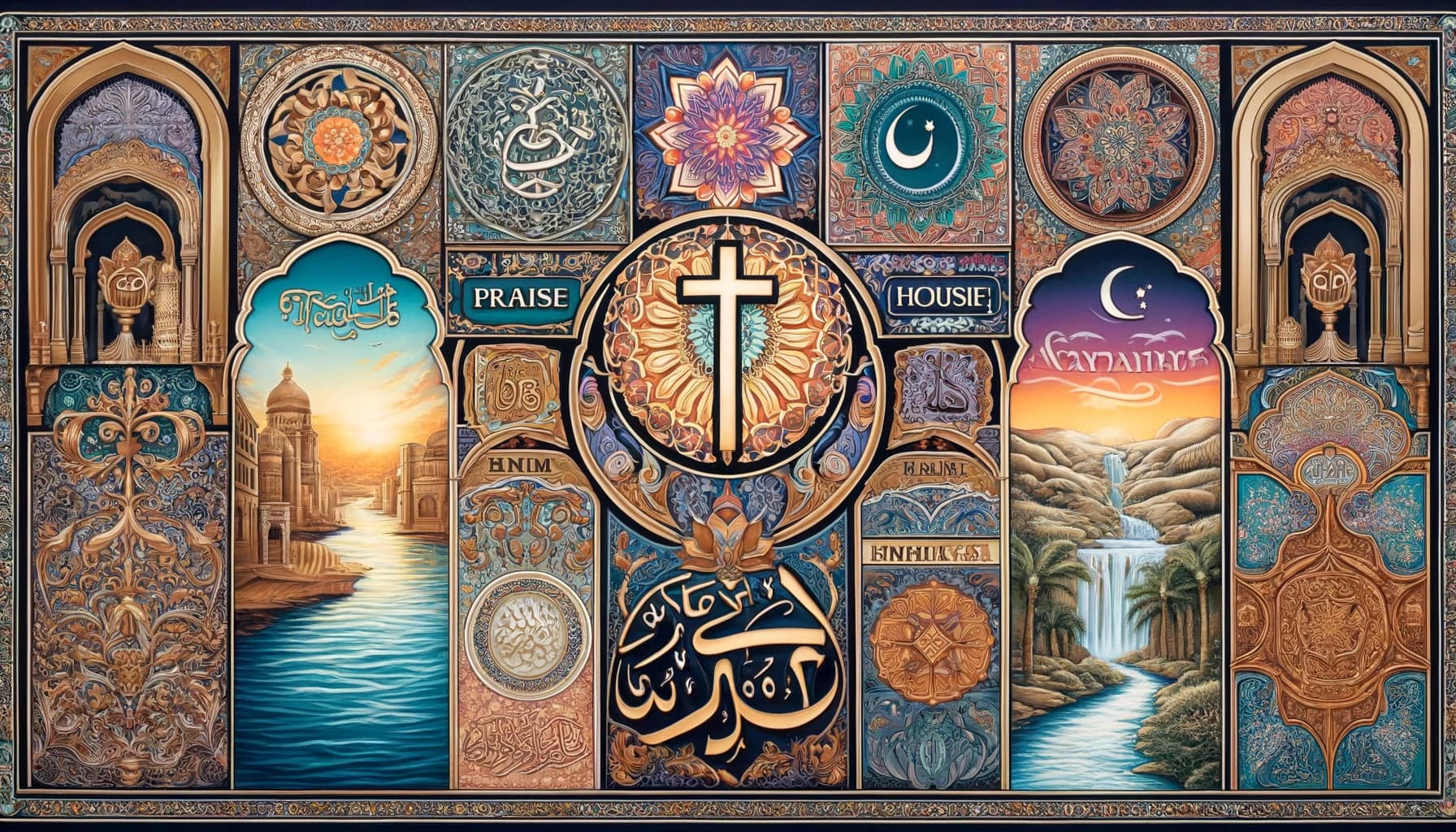
Praise the Lord
The sentiment “Praise the Lord” resonates across the tapestry of human faith, symbolizing a universal appreciation and gratitude toward a higher power. Although this phrase originates from Christian theology, it mirrors a common theme shared among diverse religions around the world. Each tradition employs its unique phraseology, but the essence remains unchanged—an expression of reverence, gratitude, and awe for the Divine.

Primacy of Intention
Those who practice yoga may be familiar with the idea of sankalp – literally meaning a solemn vow, or a resolution. Because it comes from a deeper yogic space beneath the conscious mind, this becomes an affirmation which silently guides our mind, body and spirit in the direction sought. As the neuroscientist Jill Bolte Taylor says, “Our minds are highly sophisticated ‘seek and ye shall find’ instruments. We are designed to focus inward to find whatever we are looking for.”

Seeing Order in the Universe
This is the second in a series of articles on commonalities across religions. In the introductory article for this series, we refer to these commonalities as “common threads” because they are woven throughout human history and reflect the fact that we are all made of the same fabric. However, there is great diversity and beauty in the many different colors of dye observed across cultures and belief systems.
Service and Justice
Service is a central tenet of all religions and a powerful act that can transform both the giver and the receiver. It is a way to connect with our shared humanity and make the world a better place.Religious leaders like Mother Theresa, Mahatma Gandhi, Martin Luther King Jr., and the Dalai Lama have dedicated their lives to serving humanity. They are abiding role models for people of all faiths, inspiring us to act with compassion and justice.There are many ways to serve others, both big and small. We can volunteer our time, skills, or resources to help others, or fight for greater good and justice. When we serve others, we are also serving ourselves and creating a more compassionate and just world.

Simplicity
All religions have two messages: how to live a simple life and how to view the world with simplicity. Simplicity is not just a mark of intellectual or spiritual achievement, but also, more broadly, the key to lasting happiness. According to Paramhansa Yogananda, an Indian Hindu monk, “Be as simple as you can be; you will be astonished to see how uncomplicated and happy your life can become.”

Ubuntu – The Thread That Binds Us
The wisdom of our ancestors echoes across time: we are bound together in an intricate web of relationships. Our differences enrich us, our connections sustain us, and our shared humanity defines us. In a world often divided, these ancient teachings remind us that our truest nature lies in unity. This idea is best expressed by the concept of Ubuntu, which originates from Southern African cultures. Ubuntu, often translated as “I am because we are,” emphasizes the interconnectedness of humanity.

Union with God
The concept of union with God, the divine, or some transcendent form of reality, is a central theme in many religious traditions. While the specifics may vary, the general idea is often one of seeking a deep and intimate connection with the divine, transcending the limitations of the self, and experiencing a sense of oneness or unity with God–a blissful and enlightening experience.
17 topics — scroll to see all