
Course category
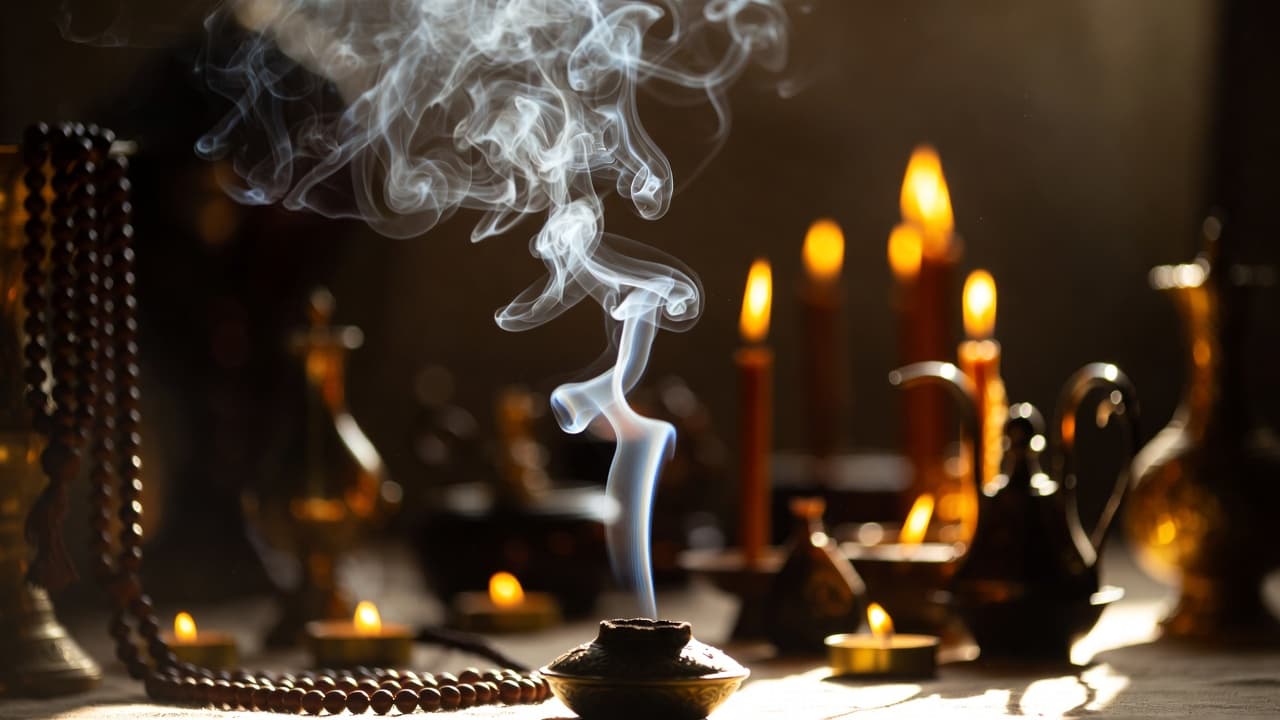
Ritual
12 courses
Topics
Common Threads Across All Religions
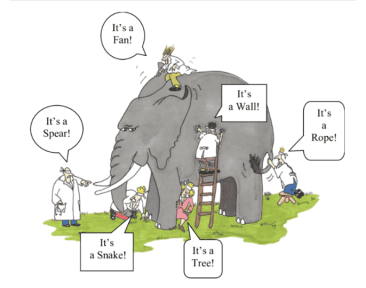
So many religions, so many paths to reach the same goal. I have practiced Hinduism, Islam, Christianity, and in Hinduism again, the ways of the different sects. I have found that it is the same God towards whom all are directing their steps, though along different paths. -Swami Ramakrishna, Hindu Monk
Concept of One God
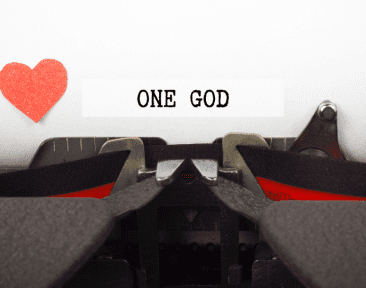
Religion is often associated with the concept of God, but there are many different conceptions of God. Children are naturally curious about different religions and can easily incorporate the concepts of different religions into their lives. As adults, we should also be open to learning about different religions and respecting the beliefs of others. All religions are essentially searching for the same ultimate truth, even if they use different names and metaphors to describe it. We should embrace diversity and pluralism in religion, and see different religions as different expressions of the same human yearning for meaning.

Grace and Surrender
Religions may differ in specific aspects of their belief, but they all agree that there is a higher power permeating the universe. We can be more in tune with this higher power by setting aside our egos and desires to follow this cosmic will.
Mantra and Recitation
All religions, belief systems, and fields of study are responses to the human quest for understanding life’s complexity. They evolve with time and context, demonstrating that diversity in meaning-making is a remedy for religious intolerance. Harvard professor Robert Kegan highlights the importance of “meaning-making” in our daily lives, a concept fundamental to our interaction with the world. Religions, in essence, are humanity’s way of making sense of the world. Gandhi, the revered Father of the Indian Nation, believed that all religions possess some truth, as they stem from the same divine source but are influenced by human imperfections. The Dalai Lama shares this perspective, asserting that all religions aim to nurture human goodness and bring happiness, despite varying methods. Rabbi Rami Shapiro likens religions to languages, reflecting the cultures that use them.
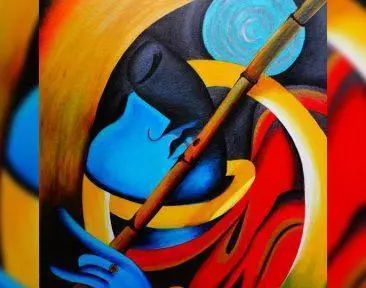
Music: The Universal Language Of Mankind.
Dear Reader,Thank you for visiting us. In this article we bring you universal insights and wisdom about how Music has influenced us over millennia. We are sure that you will have your own valuable insights. Please share with us in the Share Your Thoughts below the article. Enjoy.
Praxis
How do we translate our faith into practice to make a meaningful difference in the world? This is a question that is relevant across all religions, even if the actual application differs from faith to faith.
Prayer and Meditation
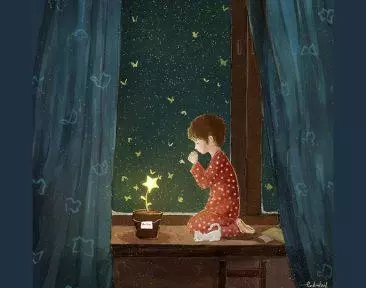
According to most religions, the act of prayer surrendering to forces higher than you, instantly takes you out of your ego-bound self into a higher plane. When combined with meditation, the experience can be even more deeply rewarding. For, it takes you inward, allowing the opportunity for personal reflection.
Prevalence of Fasting
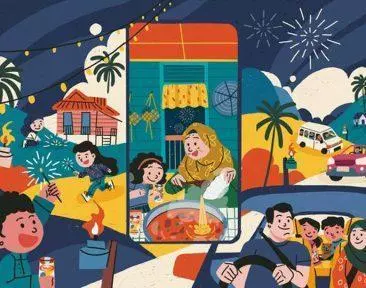
During the month of Ramadan, Muslims refrain from all food and liquids every day between sunrise and sunset. In doing so, they remember and act in solidarity with the Prophet Muhammad, who practiced intermittent fasting for a similar length of time during the period in which he was receiving the revelations which would become the holy scripture, the Qur’an; an integral part of fasting in religion Islam.
Rituals
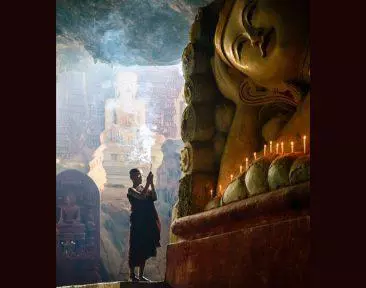
Rituals are religious or solemn ceremonies consisting of a set of actions performed in a specific order. We all follow rituals – the ritual of celebrating a birthday or a wedding; the rituals that come with death… it is part of a prescriptive code of human social behavior that helps us make some meaning out of life and creates a sense of belonging.
Sacred Spaces and Objects
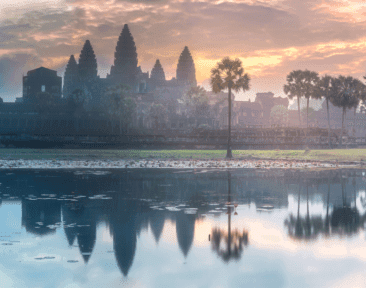
Sacred places and objects are important in many religions. They can help people connect with something larger than themselves, find peace and tranquility, and feel a sense of belonging.
Sacrifice
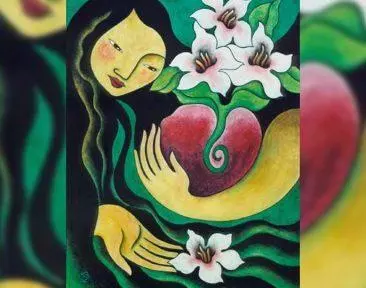
Every year, Muslims celebrate Eid al-Adha (“Feast of the Sacrifice”). It is one of the holiest days in the calendar, commemorating the story—shared across all 3 Abrahamic religions—of Ibrahim (Abraham) being commanded by Allah (God) to sacrifice his son Ismail (Isaac) as a test of faith. Once it was clear that Ibrahim was prepared to carry out this act of sacrifice, Allah spared his son and had Ibrahim sacrifice a lamb instead. For that reason, Eid al-Adha sometimes involves the ritual slaughter of animals, or some other symbolic means of sacrifice, and a resulting feast of meats and delicacies.
Seeing Order in the Universe
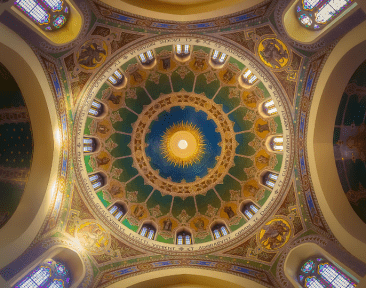
This is the second in a series of articles on commonalities across religions. In the introductory article for this series, we refer to these commonalities as “common threads” because they are woven throughout human history and reflect the fact that we are all made of the same fabric. However, there is great diversity and beauty in the many different colors of dye observed across cultures and belief systems.
12 topics — scroll to see all