
Course category
Mythical
27 courses
Topics
Belief in Other Worlds
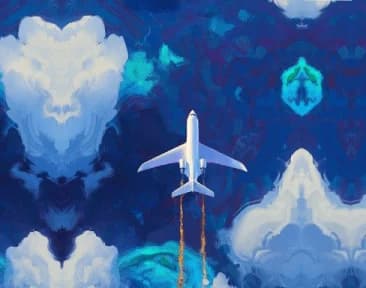
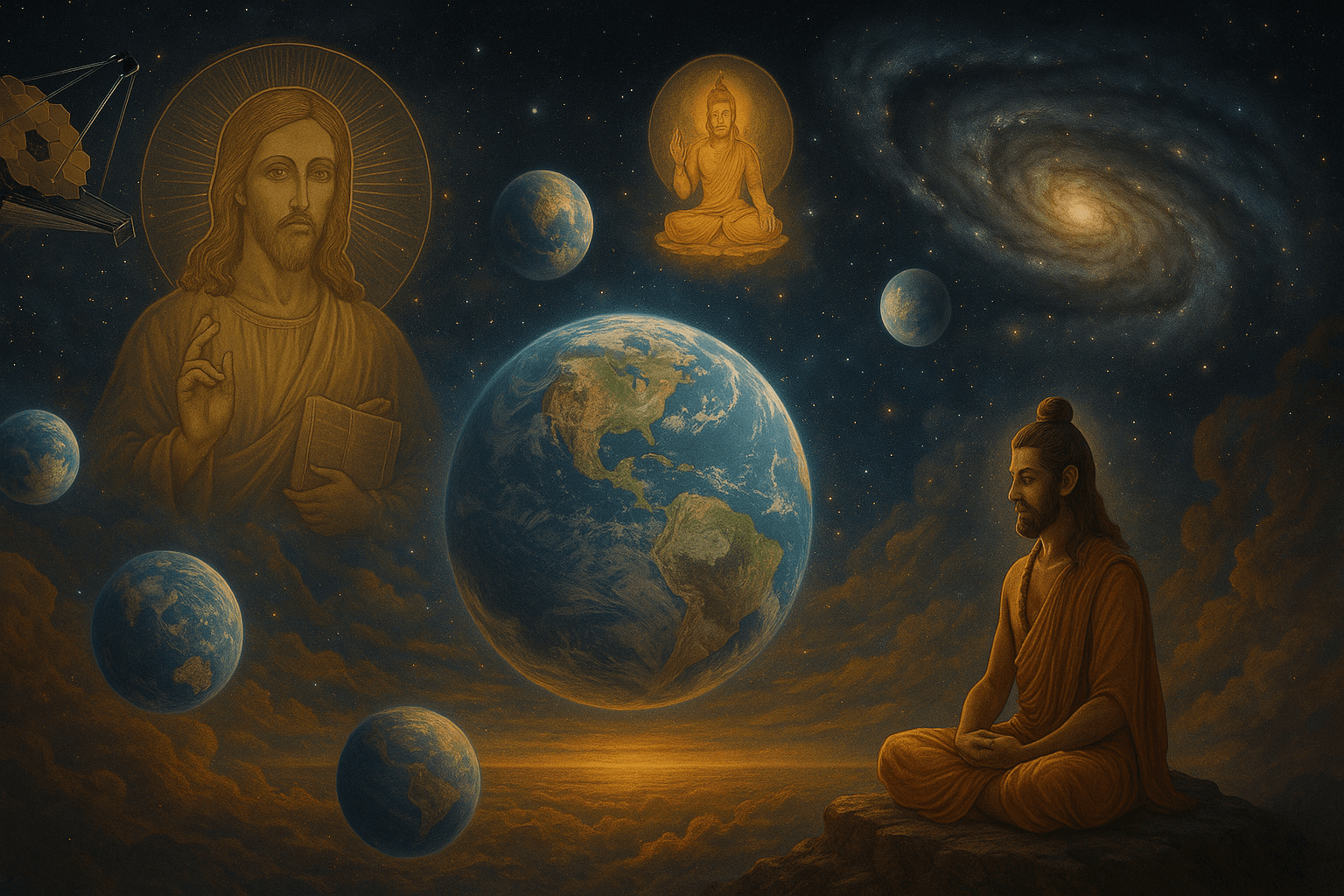
One of the biggest blind spots among humans is the belief that our world is the only one out there. But both physicists and philosophers suggest that there may be many worlds — nay many more universes. If you do a deep-sea dive you realize that there is an extraordinary self-sustaining universe even under water.
Chariot & the Charioteer
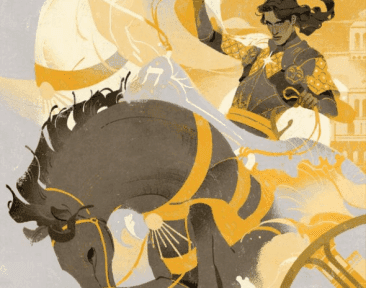
An image that recurs across religions to symbolize the challenges and importance of maintaining and taking mental health seriously is that of the chariot. Driving a chariot beautifully symbolizes mastering the self. Just as a charioteer, meaning a chariot driver, must tame their horses, so too must we tame our minds to be able to truly flourish. In this context, one can define charioteer as their mind.
Common Threads Across All Religions
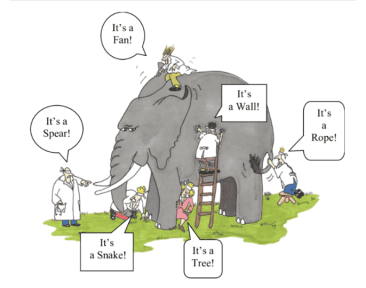
So many religions, so many paths to reach the same goal. I have practiced Hinduism, Islam, Christianity, and in Hinduism again, the ways of the different sects. I have found that it is the same God towards whom all are directing their steps, though along different paths. -Swami Ramakrishna, Hindu Monk
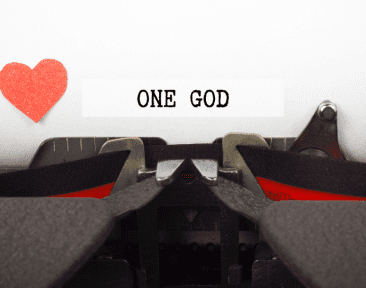
Concept of One God
Religion is often associated with the concept of God, but there are many different conceptions of God. Children are naturally curious about different religions and can easily incorporate the concepts of different religions into their lives. As adults, we should also be open to learning about different religions and respecting the beliefs of others. All religions are essentially searching for the same ultimate truth, even if they use different names and metaphors to describe it. We should embrace diversity and pluralism in religion, and see different religions as different expressions of the same human yearning for meaning.
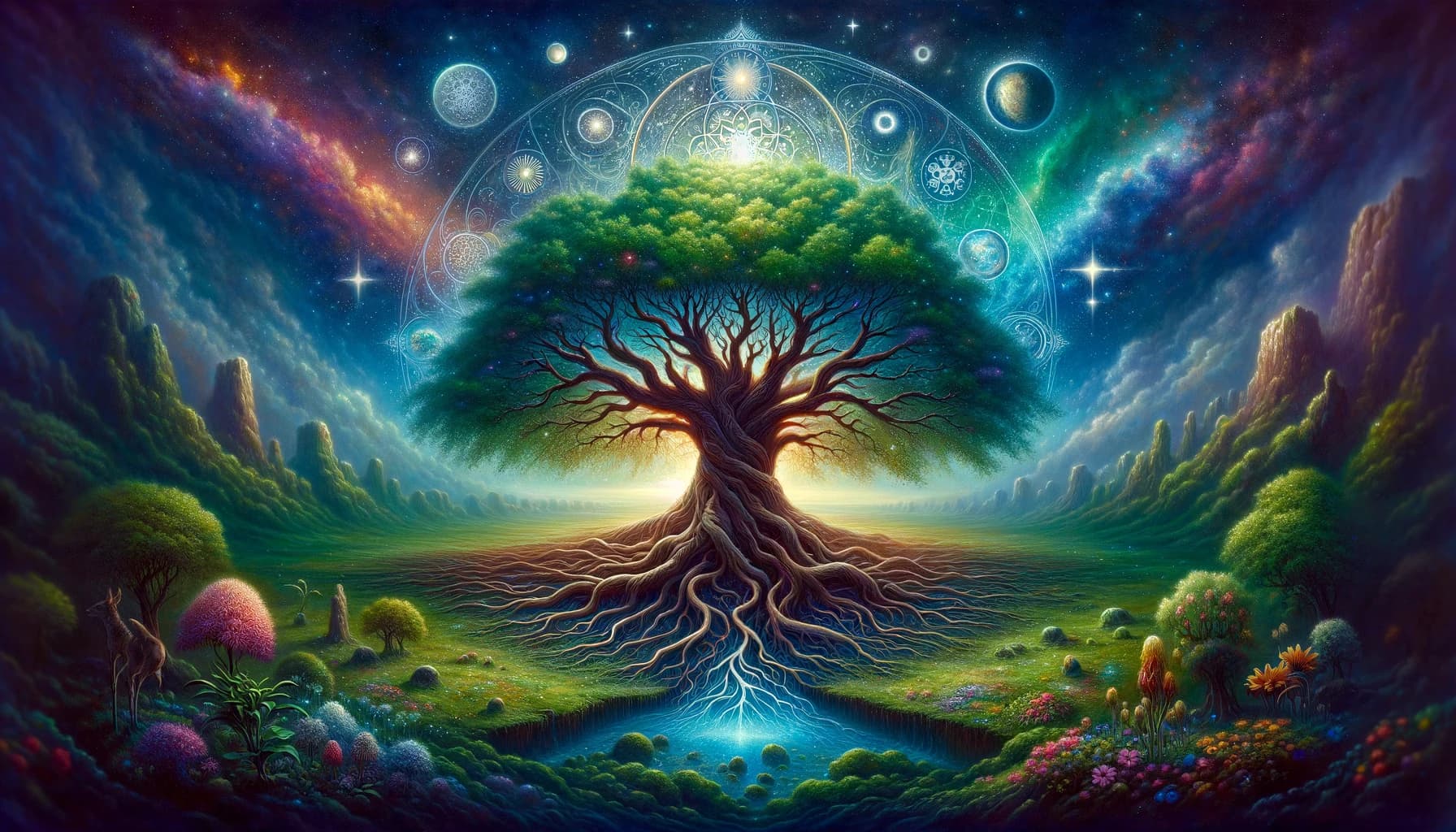
Cosmic Tree
The cosmic tree or world tree is a universal symbol found in many religions and cultures around the world. This Celtic tree of life is often depicted as a large, sacred tree that connects the heavens and the earth, the divine and the human. The tree of life symbol is of life, growth, and fertility, but it also represents the axis mundi, the center of the universe and eternal knowledge.
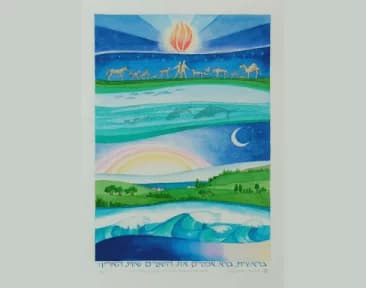
Creation and Destruction Myths
There are so many stories of how the universe came into being. These stories are also known as creation myths, and they lie at the heart of every spiritual belief. These narratives might differ in detail, but they share one profound belief: God as the creator. Just like creation myths, we also have some powerful destruction myths that reflect the cyclical nature of life, death, and renewal. Together, creation and destruction myths form the anchor of our spiritual understanding of existence.
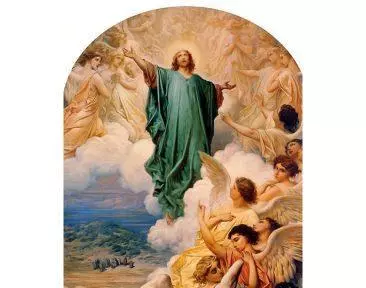
Deification of Prophets After Death
Most religious traditions have come to deify their prophets in one form or another, viewing them as something more than human, especially after their deaths.
Divine Justice
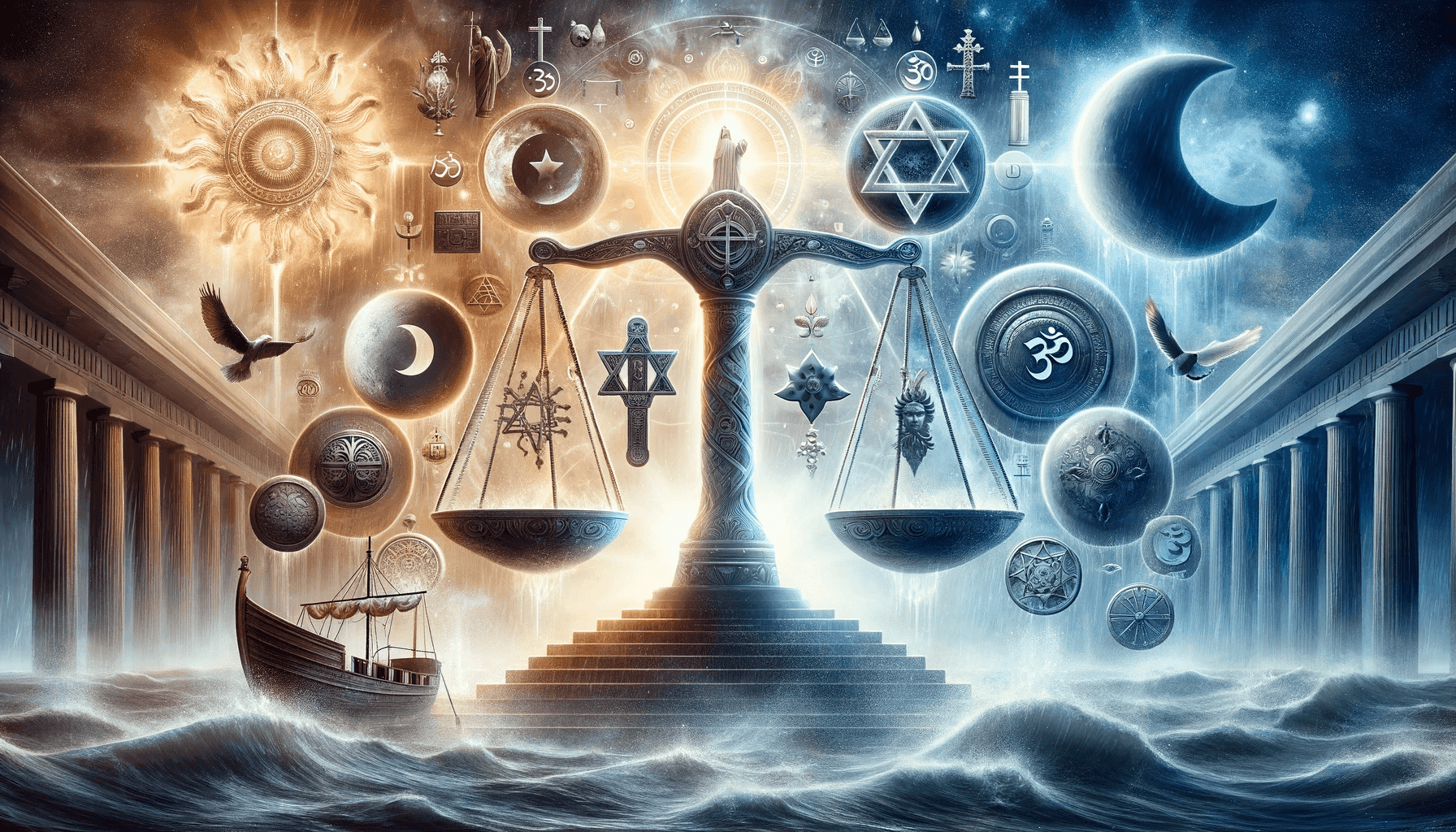
Many religious traditions believe in divine justice that originates and is governed by God or some higher power, but which is also meant to be facilitated by humans on Earth. In other words, humans are called upon to acknowledge and adhere to divine law, prioritizing it over Earthly forms of law and governance.
Duality
“Creation is ruled by the law of duality. For every up there is a down; for every plus there is a minus. Every pleasure is balanced by an equal displeasure; every joy, by an equal sorrow.”—Paramhansa Yogananda, Hindu monk and guru
Embark On A Journey Of Cosmic Connection: Exploring Ancient Symbols
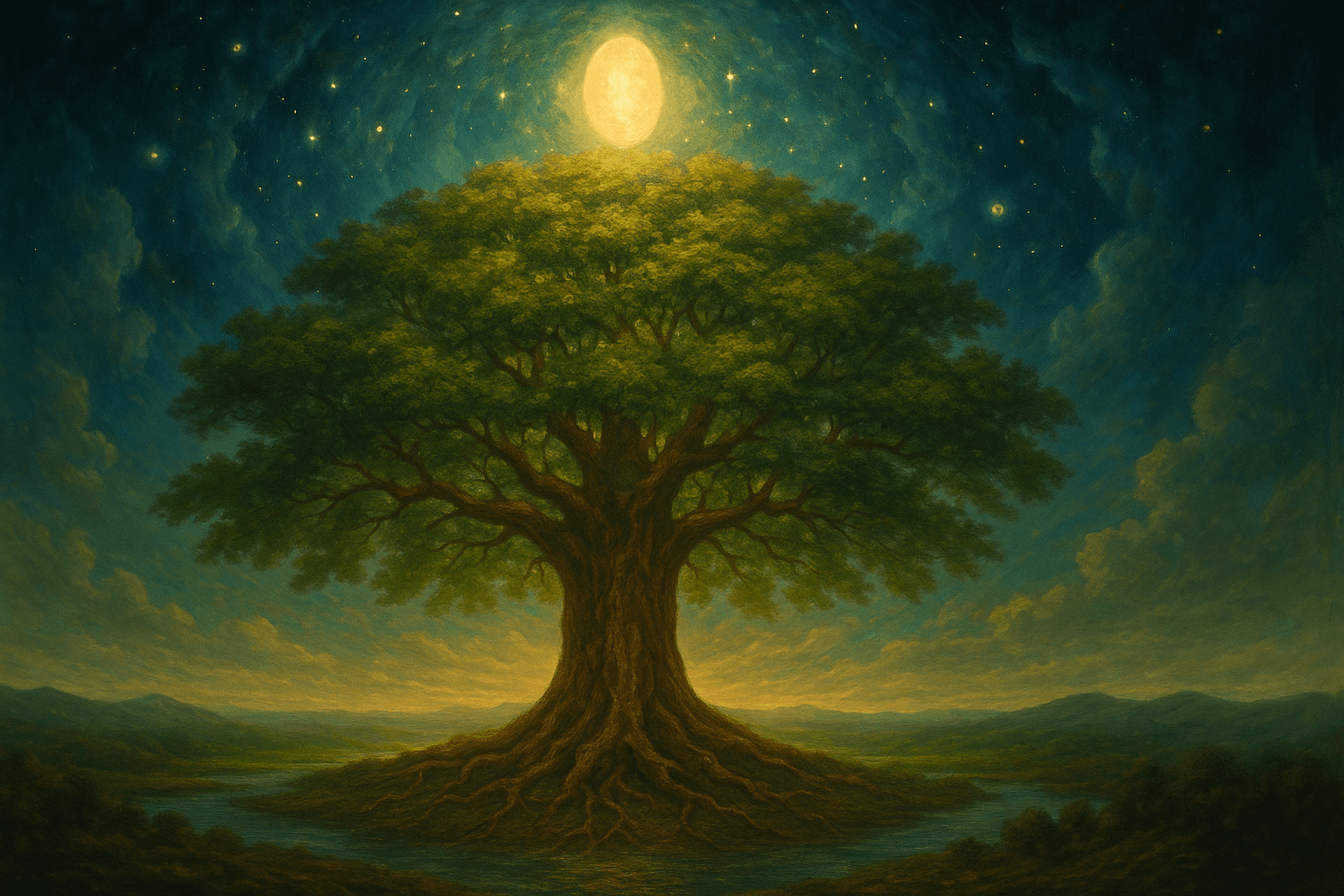
The cosmic tree is a universal symbol found in many religions and cultures around the world. It is often depicted as a large, sacred tree that connects the heavens and the earth, the divine and the human. The cosmic tree is a symbol of life, growth, and fertility, but it also represents the axis mundi, the center of the universe.

Fire
Fire symbolism in religion holds profound meaning across various cultures and faiths worldwide. Its meanings vary based on cultural and religious contexts, often carrying ritualistic importance.
Groupings of Four
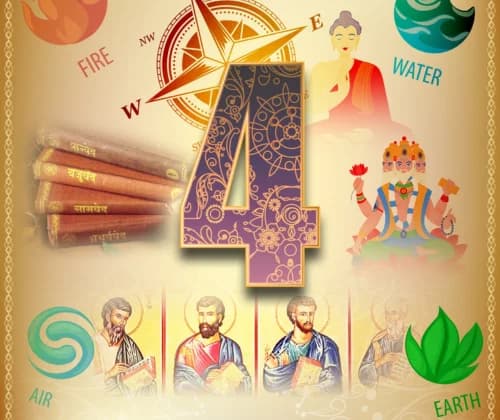
The number four holds significant symbolism and significance in many religions and belief systems around the world. The number four is often seen as representing completeness, balance, or cosmic elements such as the cardinal directions or the elements of earth, air, fire, and water. The concept of the “four ages of man” is a recurring theme found in various mythologies, religions, and philosophical systems throughout human history. It generally refers to a cyclical or sequential division of human existence into distinct stages or ages, often associated with different characteristics or qualities. Here are some examples:
Is Life Bigger Than We Think?
Many of us believe that our Earth is the only world that exists. But both modern science and ancient wisdom suggest that this may not be true. Today, scientists talk about multiple universes. And interestingly, Indian philosophies have believed in the idea of many worlds for thousands of years.
Key learnings from different religions
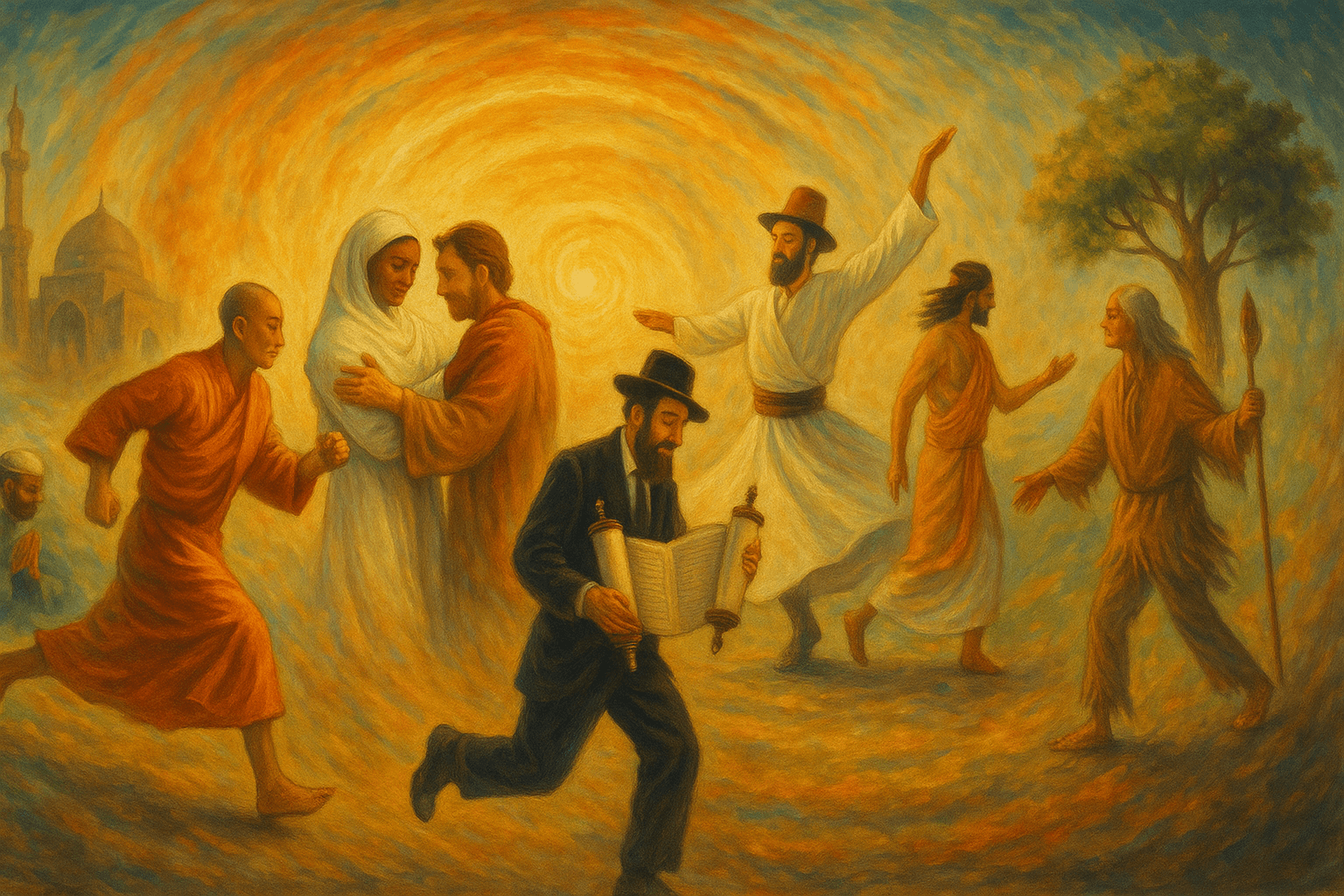
From the whispered prayers in ancient temples to the vibrant chants in modern mosques, humanity has long sought meaning in life’s profound mosaic of joys, sorrows, and mysteries. While each spiritual tradition speaks through its unique language and symbols, a careful listening reveals a shared repository of wisdom. Across diverse faiths, a profound and universal guidance emerges: urging us to embrace compassion, cultivate understanding, and deeply honor the sanctity of existence.”
Kneeling Before God: A Universal Act of Devotion
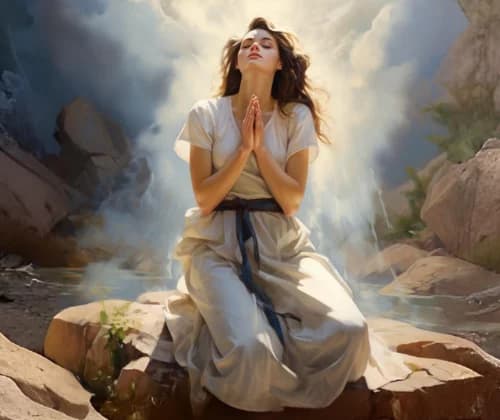
The Symbolism of Kneeling
Mysterious Births of Prophets
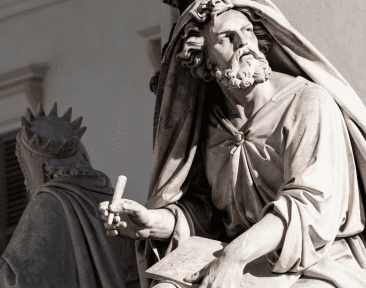
Many parts of the Buddhist world celebrate May 8 as the birthday of Gautama Buddha, the founding prophet of Buddhism. This occasion is celebrated on different dates by different sects of Buddhists, but all of them mark this as a very meaningful day.
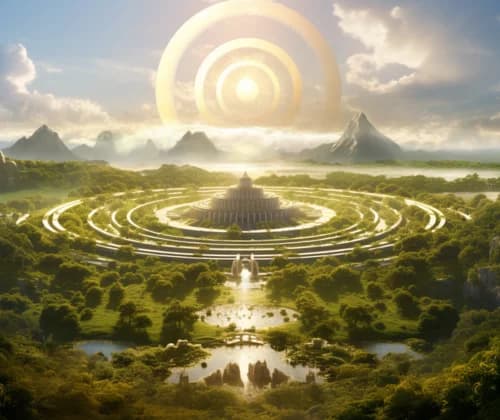
Promised Lands
The concept of a “promised land” exists in varying forms across different religious traditions. Often representing a divinely appointed destination or reward, this concept can be understood both literally (as in a physical place) and metaphorically (as in a state of spiritual fulfillment or enlightenment). It is a place where people believe they can find peace and fulfillment, and it is a goal that many people strive for. This concept has inspired people for centuries. It is a symbol of hope, redemption, and ultimate happiness.
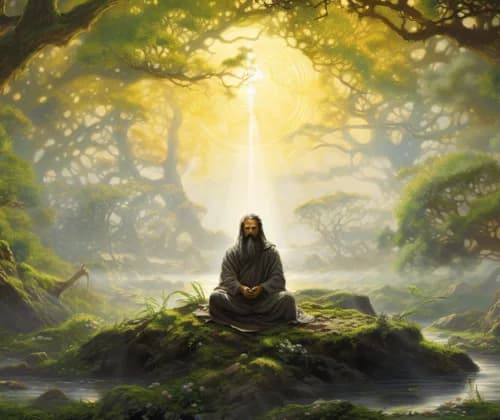
Prophets and Solitude
Prophets across religions have long recognized the value of solitude. Solitude can help a prophet connect with the divine. When we are alone, we are less distracted by the noise and distractions of the world, and we can more easily focus on our inner selves and on our relationship with God. This can be a powerful and transformative experience, and it can help a prophet to gain the insights and inspiration they need to fulfill their calling.
Prophets as Shepherds
Spring is all about growth and rebirth and celebrating the natural world and our roles as caretakers of it.
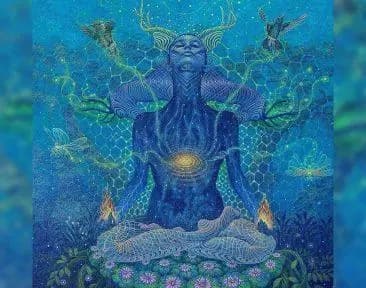
Revelation
In the prophetic religions, God communicates his revelations through prophets and religious practitioners who are commissioned to be God’s messengers to spread the divine message to others sharing God’s will and his character.
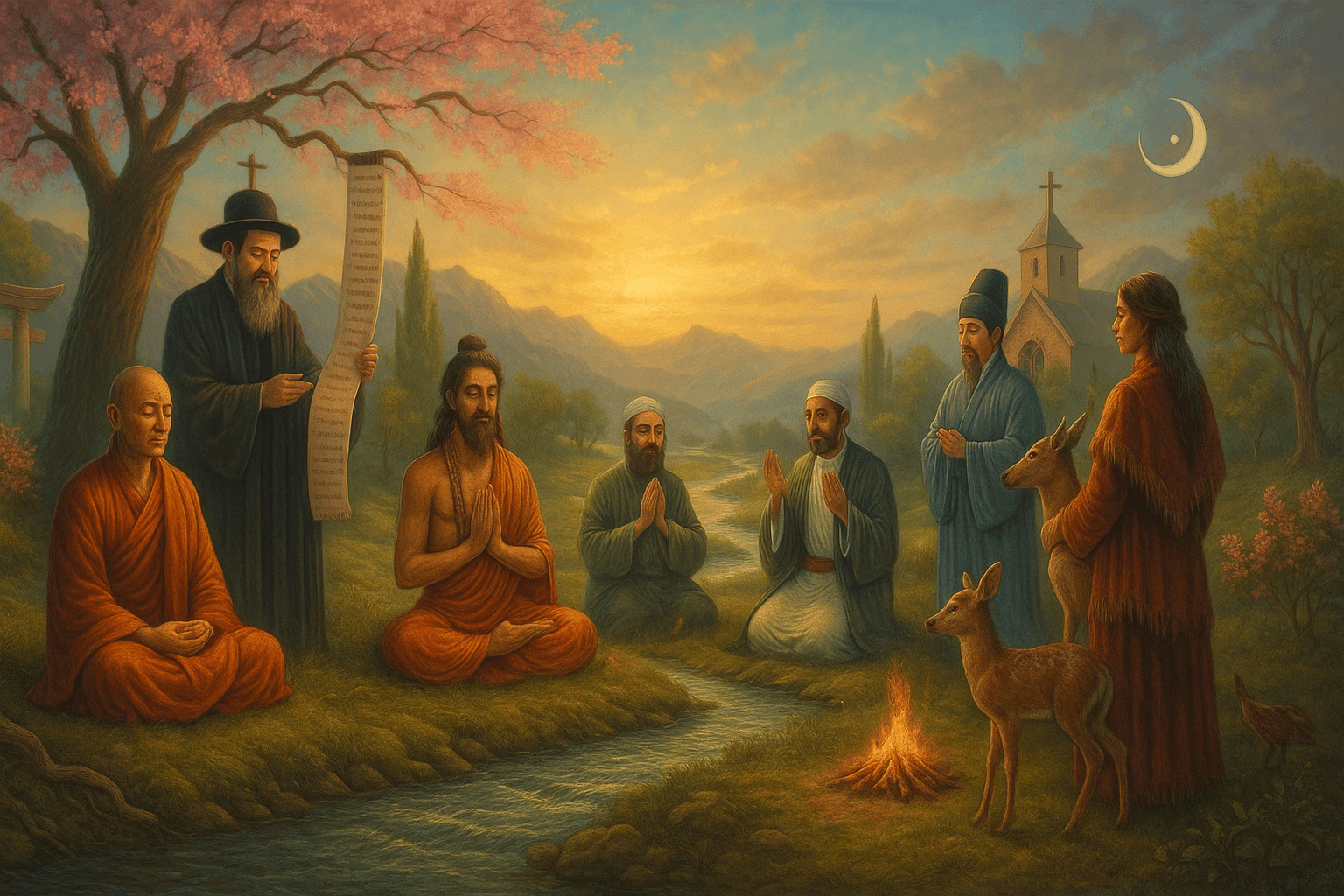
Sacred Wisdom Across Faiths: What The World’s Religions Teach Us About Living Well
In a time when differences often dominate headlines, it’s deeply grounding to recognize how much common ground exists among the world’s spiritual traditions. From the whispered prayers in ancient temples to the vibrant chants in modern mosques, humanity has long sought meaning in life’s profound mosaic of joys, sorrows, and mysteries. While each spiritual tradition speaks through its unique language and symbols, a careful listening reveals a shared repository of wisdom.
Salvation
Humans often ponder their salvation, whether through heaven, hell, karma, or divine judgment. Pascal Boyer defines this as a belief in the soul, destiny, moral influence, and past actions’ consequences.
Seeing Order in the Universe
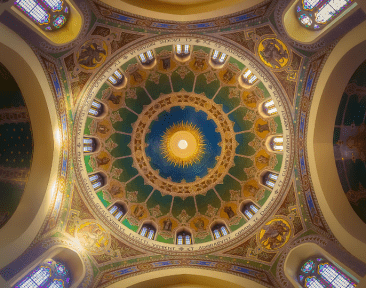
This is the second in a series of articles on commonalities across religions. In the introductory article for this series, we refer to these commonalities as “common threads” because they are woven throughout human history and reflect the fact that we are all made of the same fabric. However, there is great diversity and beauty in the many different colors of dye observed across cultures and belief systems.
Sibling Rivalry
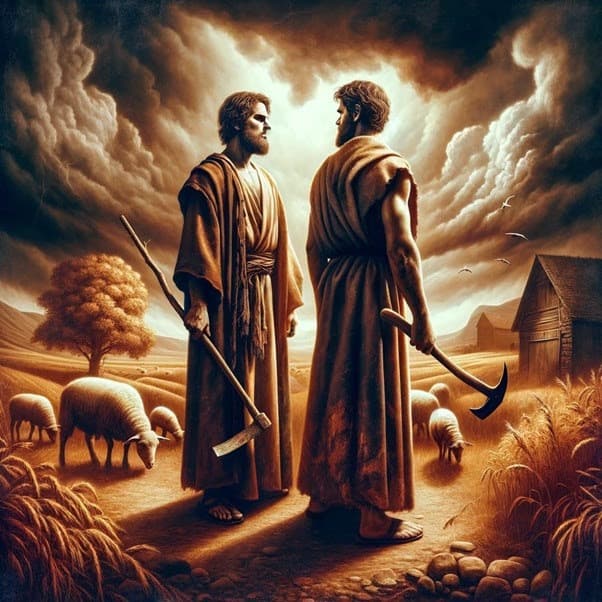
“Now Cain said to his brother Abel, ‘Let’s go out to the field.’ While they were in the field, Cain attacked his brother Abel and killed him. Then the Lord said to Cain, ‘Where is your brother Abel?’ ‘I don’t know,’ he replied. ‘Am I my brother’s keeper?’ The Lord said, ‘What have you done? Listen! Your brother’s blood cries out to me from the ground.’”–The Hebrew Bible (Genesis 4:8-10), Jewish scripture
Teaching by Parables
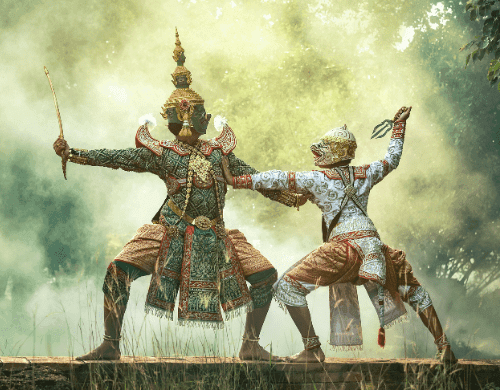
Before there were written scriptures, religious ideas were transmitted orally; and before the existence of the religions we know today, hunter-gatherers and tribal communities would gather around the fire to share stories about mysterious forces that had the power to affect their living world. The stories of the indigenous cultures that predate formal religions often featured animals that embody specific virtues.
The Great Flood
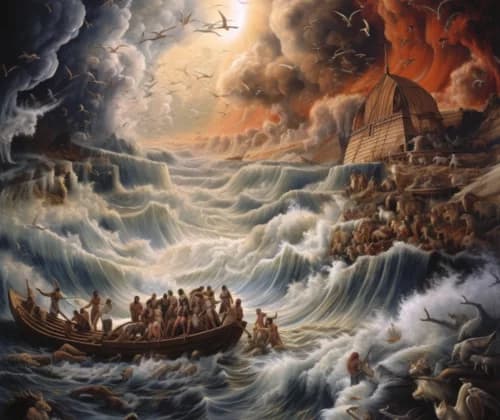
Ancient flood myths continue to ripple through our spiritual imagination.
Transcendent Reality
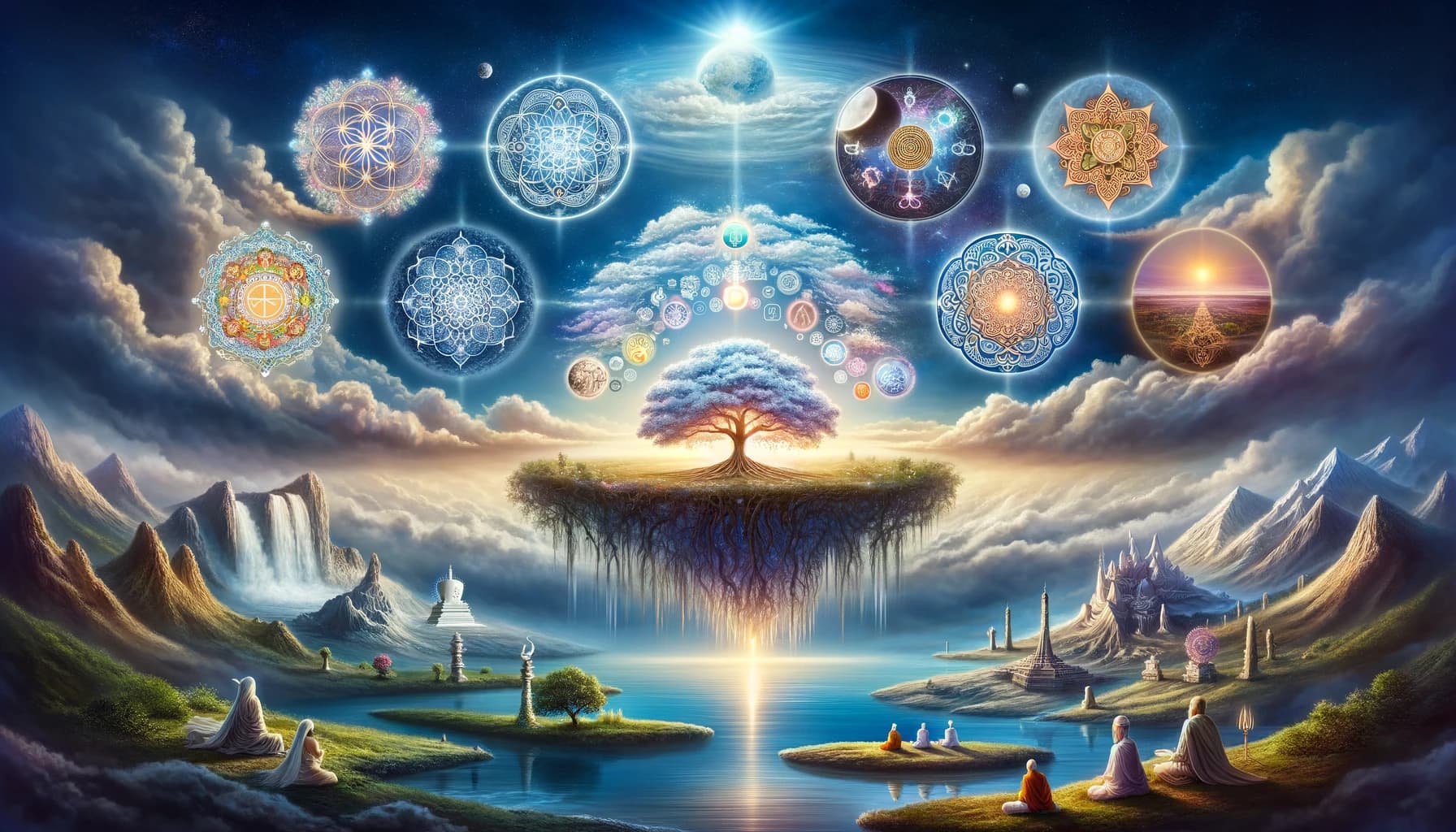
The universality of the concept of transcendence, a common thread that runs through the diversity of religious traditions, is a testament to our shared human experience. It is a recognition of a vaster reality beyond the physical world we perceive, often described as transcendent, infinite, and beyond human comprehension. This vaster reality is the source of all existence, the ground of being, from which all things manifest. The belief in this transcendent reality reflects a yearning that is not unique to any one faith, but a shared human desire to escape the limitations of the physical world, to experience a deeper connection to the divine, and to attain a state of lasting peace and fulfillment.
27 topics — scroll to see all