
Play
Watch Videos on Play
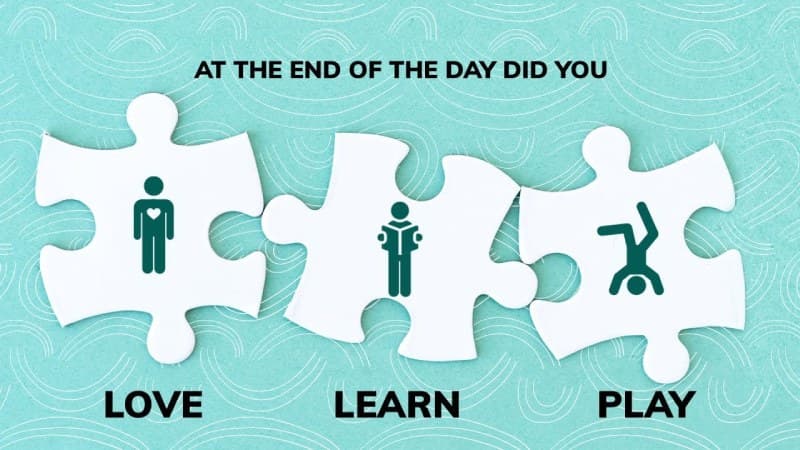

The Importance of Being Playful - a deep dive
“This is the real secret of life, to be completely engaged with what you are doing here and now. And instead of calling it work, call it play.” – Alan Watts
“Play is often talked about as if it was a relief from serious learning, but for children, play is really the work of childhood.” – Fred Rogers
Think back to childhood: the forts, the treasure hunts, the made-up games, the sheer energy of running around because the activity itself was intrinsically compelling and fulfilling. Those moments felt alive because they were play.

During play, new neural connections in the brain are created which are critically important for cognitive and emotional development.
Play is a means for children to learn and love and for adults as well. Play is an essential way of learning about the world. Doing things because we enjoy them, even when there is no goal in mind, leads us to discover new information, open new vistas, and find unexpected beauty.
Play is a complex and multifaceted concept that goes beyond its superficial definition or obvious expression. It has deeper connotations related to creativity, learning, social interaction, personal expression, well-being, spirituality, and cultural significance.
Play can also be a highly social activity that facilitates social development and fosters harmonious living. Durkheim’s collective effervescence captures the charge people feel when they cheer together, dance together, or gather in rituals and celebration.
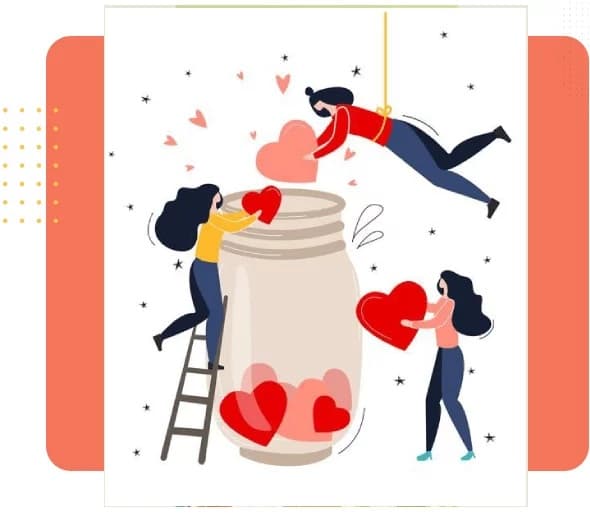
Why Play Matters
Scientists across disciplines have studied the importance of play in brain development, and the role of play in creativity, innovation, and health in humans and other species.
Play is intrinsically self-motivated, not coerced or forced. It is an act or set of actions done for their own sake, and it is observed across various animal species as well as among humans.
Gordon Burghardt’s work on animal behavior distinguishes play from purely utilitarian action. Play is often repeated, spontaneously generated, and exploratory; it opens us toward the unfamiliar and the unknown.
Across the Lifespan
Childhood
During childhood, love often manifests through the bond between a child and caregivers such as parents, siblings, and other family members. Love is expressed through physical touch, nurturing care, and the security of trust.
Adolescence
In adolescence, love may start to take on a more romantic and interpersonal dimension. It can involve crushes, infatuation, the exploration of relationships, and the intensity of first emotional attachments.
Early Adulthood
During early adulthood, love often involves deeper and more committed relationships, including romantic partnerships, friendships, and familial bonds expressed through companionship, shared interests, and mutual support.
Midlife
In midlife, love often reflects deeper emotional maturity and stability. It can be expressed through long-term partnership, family life, shared values, mutual respect, and the work of navigating change together.
Later Life
In later life, love often carries a stronger sense of wisdom, acceptance, gratitude, and legacy, together with a desire to pass insight and care forward.
Love, Community, and Social Justice
The highest manifestation of love is often described as agape: selfless, unconditional love that extends compassion, kindness, and care to others.
Love can be expressed in personal life, family, friendship, work, community, and public life. It is not limited to one private sphere.
Ubuntu captures this well: our humanity is bound up with one another. We belong in a bundle of life, and what we do affects the whole.
Love as social justice means using empathy, compassion, and solidarity to challenge systems of exclusion and inequality and to create a more just society.
Most religious and spiritual traditions emphasize compassion, kindness, and goodwill toward others. That shared emphasis becomes one more bridge across traditions.